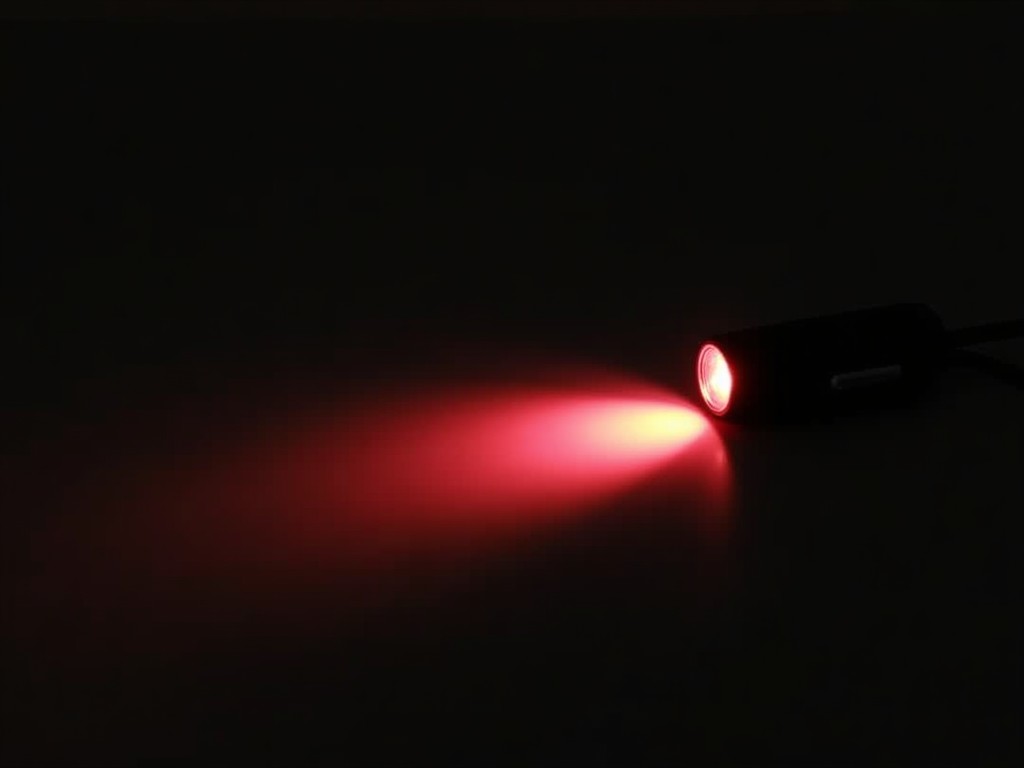
China Smart Sensor Bicycle Front Light Manufacturer
China Smart Sensor Bicycle Front Light Manufacturer
A smart sensor bicycle front light integrates ambient light detection and motion sensing to adjust output intensity automatically, providing optimal visibility while conserving battery energy. The
- Categories:Bicycle Front Light
Smart Sensor Bicycle Front Light Overview
A smart sensor bicycle front light integrates ambient light detection and motion sensing to adjust output intensity automatically, providing optimal visibility while conserving battery energy. The unit is designed for mounting on handlebars or fork crowns of standard and e‑bike configurations, meeting the performance expectations of urban commuters and off‑road riders alike.
Key Technical Specifications
Typical operating parameters are based on a 3.7 V Li‑ion rechargeable cell and an LED driver with constant current regulation.
- Luminous flux: 150 lm (high mode), 80 lm (eco mode)
- Beam angle: 12° (±2°) for focused road illumination
- Ambient light sensor range: 0.5 lx to 10 000 lx, response time < 50 ms
- Motion detection: accelerometer‑based, triggers boost when speed > 15 km/h
- Operating voltage: 3.0 V – 4.2 V (Li‑ion)
- Battery capacity: 800 mAh, providing up to 8 h runtime in adaptive mode
- Ingress protection: IP65 (dust tight, protected against water jets)
- Weight: 45 g (including mounting bracket)
- Dimensions: 70 mm × 30 mm × 20 mm (L × W × H)
Design and Integration Features
The housing is constructed from UV‑stabilized polycarbonate with a silicone gasket seal, ensuring consistent optical performance across temperature ranges from ‑20 °C to +50 °C. Heat dissipation is achieved through a finned aluminum core that conducts heat away from the LED junction, maintaining lumen output above 90 % of initial value after 500 h of continuous operation.
- Tool‑free quick‑release bracket compatible with Ø22 mm–Ø32 mm handlebars
- Cable entry sealed with over‑molded strain relief, rated for 10 000 flex cycles
- Optional remote switch wiring harness (2‑pin JST) for handlebar‑mounted control
- Firmware updatable via micro‑USB bootloader, allowing sensor threshold adjustments
Typical Applications
Urban commuting benefits from adaptive brightness that reduces glare for on‑coming traffic during daylight while boosting output in tunnels or under streetlights. For e‑bike systems, the motion sensor can synchronize with the motor controller to increase illumination when pedal assist engages, improving safety at higher speeds. Off‑road riders gain from the shock‑resistant housing and sealed optics, which maintain performance despite vibration and mud exposure.
Customization Options
Manufacturers can tailor the following parameters to suit specific OEM requirements without redesigning the core optics.
- Lens tint: clear, amber, or smoked (affects color temperature and contrast)
- Cable length: 100 mm to 500 mm (custom lengths available upon request)
- Ambient light sensitivity threshold: adjustable from 5 lx to 100 lx
- Motion activation delay: 0 s to 2 s (configurable via firmware)
- Battery capacity: 600 mAh to 1200 mAh (affects runtime and weight)
- Connector type: Micro‑USB, USB‑C, or proprietary 2‑pin JST
Quality Assurance and Testing
Each unit undergoes a standardized test sequence before shipment to verify functional reliability and environmental robustness.
| Test Item | Acceptance Criterion |
|---|---|
| Luminous flux maintenance after 500 h | ≥ 90 % of initial value |
| IP65 water spray test (3 min, 10 L/min) | No water ingress, functional after test |
| Thermal cycling (‑20 °C ↔ +50 °C, 20 cycles) | No change in beam angle > ±1° |
| Vibration random (5 Hz‑500 Hz, 2 g RMS, 2 h) | No loosening of bracket, LED intact |
| Drop test (1 m onto concrete, 6 faces) | No cracks in housing, electrical continuity |
Frequently Asked Questions
Can the sensor detection range be adjusted for different riding environments?
Yes, the ambient light threshold and motion sensitivity are programmable via firmware; typical factory settings are 10 lx for daylight and 0.5 lx for night, but values can be tuned upon request.
What information is required to obtain a quotation for a customized batch?
Please provide desired luminous flux, battery capacity, cable length, connector type, lens tint, and any specific firmware parameters (e.g., activation delay). Quantities and target delivery dates also help determine lead time.
Which materials are available for the housing and bracket?
Standard housing is UV‑stabilized polycarbonate; alternative materials such as ABS or glass‑filled nylon can be supplied for specific temperature or impact requirements. The bracket is typically 6061‑T6 aluminum with anodized finish, but stainless steel options are offered.
How is product quality verified before shipping?
Each unit passes the test sequence outlined in the Quality Assurance table, including luminous output, ingress protection, thermal cycling, vibration, and drop tests. Statistical process control is applied to critical dimensions and electrical parameters.
What packaging methods protect the lights during export?
Lights are placed in anti‑static polyethylene trays, then packed in corrugated cartons with corner protectors and moisture‑absorbing desiccant sheets. Cartons are sealed with pressure‑sensitive tape and marked for upright handling.
What is the typical production lead time?
For standard configurations, lead time is 2‑3 weeks after receipt of purchase order. Customized orders generally require an additional 3‑5 days for firmware and tooling adjustments, depending on complexity.
How are samples arranged for evaluation?
Samples can be shipped via express courier with freight prepaid or collect, as requested. A sample unit includes a quick‑start guide and a test report covering the key performance indicators listed above.
Contact for Technical Inquiry
For further details on specification sheets, customization requests, or to discuss application‑specific integration, please reach out to our engineering team.
Request a Quote or Technical SupportA smart sensor bicycle front light integrates ambient light detection and motion sensing to adjust output intensity automatically, providing optimal visibility while conserving battery energy. The
Send Inquiry
If you are interested in our products, leave your information here and we will be in touch shortly.