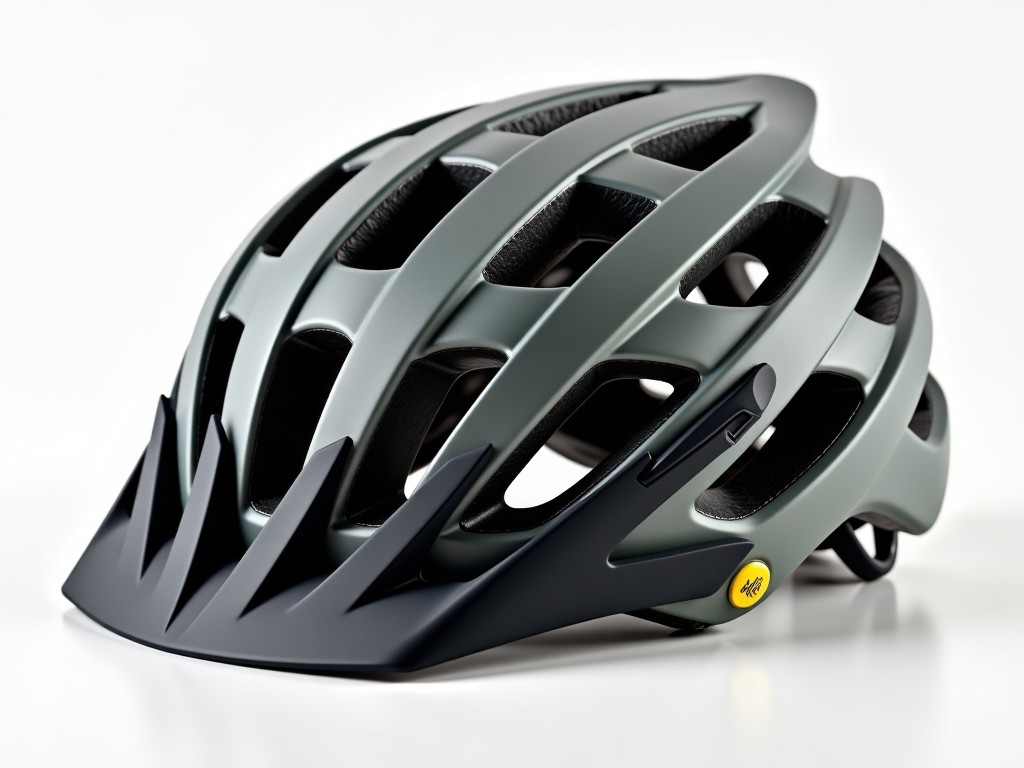
Bulk Ce Certified Bicycle Safety Helmet Supplier
Bulk Ce Certified Bicycle Safety Helmet Supplier
Supplying bicycle safety helmets in large volumes requires conformity with the European CE marking for personal protective equipment. This indicates that each helmet has been evaluated against the
- Categories:Bicycle Safety Helmet
Bulk CE Certified Bicycle Safety Helmet Supplier
Supplying bicycle safety helmets in large volumes requires conformity with the European CE marking for personal protective equipment. This indicates that each helmet has been evaluated against the essential health and safety requirements of Regulation (EU) 2016/425 and meets the performance criteria of EN 1078:2012+A1:2013.
Key Technical Characteristics
The helmet’s impact attenuation is measured by dropping a 5 kg striker onto the helmet at 5.42 m/s, with the transmitted force limited to less than 250 g according to EN 1078. Typical energy absorption values range from 60 J to 80 J depending on liner density and shell geometry.
Shell thickness is generally between 2.0 mm and 3.5 mm for injection‑molded ABS or polycarbonate, providing sufficient stiffness to distribute impact loads while keeping mass low. The expanded polystyrene (EPS) liner density is selectable from 18 kg/m³ to 25 kg/m³, directly influencing both weight and crush‑stroke performance.
- Outer shell materials: ABS (impact strength ~30 MPa), polycarbonate (impact strength ~70 MPa), or fiberglass‑reinforced composite (specific stiffness >15 GPa).
- Liner options: EPS density 18 kg/m³ (lightweight, ~260 g for size M), 22 kg/m³ (balanced), 25 kg/m³ (high energy absorption).
- Retention systems: chin strap with quick‑release buckle (tensile strength ≥ 500 N) or adjustable ratchet system.
- Ventilation: total opening area typically 12 cm² to 18 cm², achieved through multiple front, side and rear ports with internal channeling to reduce aerodynamic drag.
Specification Table
| Parameter | Typical Value | Unit |
|---|---|---|
| Impact energy absorption (tested per EN 1078) | 60 – 80 | J |
| Penetration resistance (sharp object drop) | ≤ 10 mm | mm |
| Retention system strength | ≥ 500 | N |
| Weight (size M, ABS shell, 22 kg/m³ EPS) | 260 – 300 | g |
| Ventilation opening area | 12 – 18 | cm² |
| Head circumference range | 52 – 62 | cm |
| Applicable standards | EN 1078:2012+A1:2013; CE marked per Regulation (EU) 2016/425 | – |
Applications in Bulk Procurement
Fleet operators such as bike‑sharing programs, corporate wellness initiatives, and event organizers require helmets that can be stocked, distributed, and replaced quickly while maintaining a uniform safety level. The CE marking simplifies customs clearance within the EU and provides a common baseline for liability reduction across multiple jurisdictions.
Because the helmets are supplied in cartons of 50 – 200 units, inventory turnover is improved and per‑unit handling costs decrease. The standardized sizing system (S, M, L, XL) with adjustable retention straps enables a single SKU to fit > 90 % of adult users, reducing the need for multiple size variants.
- Urban mobility fleets – daily turnover, exposure to varying weather, need for easy cleaning.
- Corporate campus shuttle services – uniform appearance, ability to add logo branding.
- Sports event logistics – rapid distribution to participants, compliance with event safety regulations.
Quality Control Philosophy
Each production lot undergoes a sampling plan based on ISO 2859‑1 (AQL 0.65 for critical defects). Critical checks include impact energy absorption on a drop‑test rig, penetration resistance using a standardized striker, and retention‑system tensile testing. Results are recorded with batch numbers and made available to the buyer upon request.
Visual inspection verifies surface finish, absence of flash, and correct placement of ventilation ports. Dimensional checks confirm shell thickness and liner depth using calibrated micrometers. All test equipment is calibrated quarterly against traceable standards.
Customization Options
Customization does not compromise the certified performance as long as modifications stay within the validated design envelope. Typical options include shell color matching to corporate Pantone values, screen‑printed or heat‑transfer logos on the front or rear vents, and alternative retention‑system designs (e.g., magnetic buckle or ratchet dial).
- Color: any solid RAL/Pantone shade; two‑tone gradients available upon tooling adjustment.
- Branding: logo area up to 40 mm × 20 mm, durability tested for 50 wash cycles.
- Ventilation patterns: adjustable number and size of ports to tune airflow vs. weight.
- Retention system: choice of standard buckle, quick‑release, or ratchet dial with micro‑adjustment.
- Packaging: bulk cartons, individual polybags, or reusable crates for closed‑loop logistics.
Request a Quote
To obtain a formal quotation, provide the required quantity, preferred shell material, liner density, and any customization details (color, logo artwork, retention type). Our engineering team will review the specifications and return a detailed cost breakdown, lead time, and compliance documentation within two business days.
Supplying bicycle safety helmets in large volumes requires conformity with the European CE marking for personal protective equipment. This indicates that each helmet has been evaluated against the
Send Inquiry
If you are interested in our products, leave your information here and we will be in touch shortly.