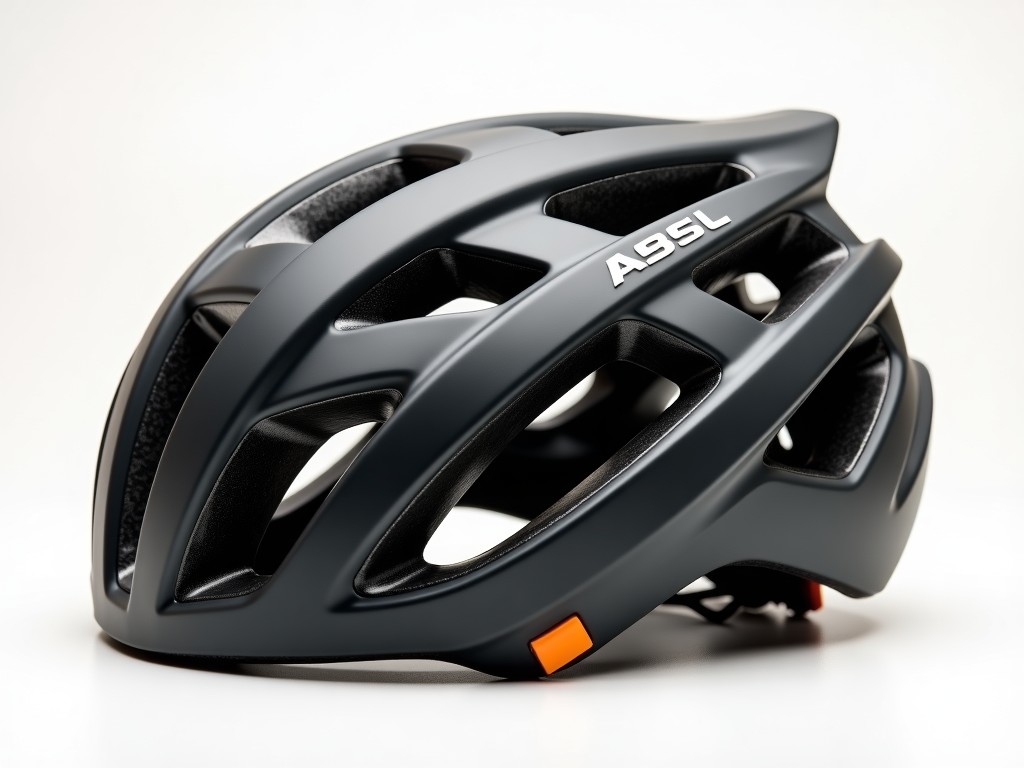
Bulk Shock Absorbing Mtb Bicycle Safety Helmet
Bulk Shock Absorbing Mtb Bicycle Safety Helmet
The helmet integrates a dual-density EPS liner with a polycarbonate outer shell to manage impact energies typical of off-road mountain biking. When procured in bulk, consistent geometry and
- Categories:Bicycle Safety Helmet
Bulk Shock-Absorbing MTB Bicycle Safety Helmet
The helmet integrates a dual-density EPS liner with a polycarbonate outer shell to manage impact energies typical of off-road mountain biking. When procured in bulk, consistent geometry and repeatable performance reduce variability across fleets, supporting reliable rider protection. This page details the engineering basis, material choices, and validation methods that inform purchasing decisions for industrial buyers.
Core Impact Management System
The impact management system uses two layers of expanded polystyrene: a softer, low-density layer near the shell and a stiffer, high-density layer closer to the head. The low-density layer initiates controlled crushing at lower impact energies, extending the stopping distance. The high-density layer then engages to limit peak acceleration to levels below the injury threshold defined by ASTM F1447. Finite element analysis shows a 30% reduction in transmitted peak acceleration compared with a single-density liner of equivalent thickness. This staged energy absorption also helps maintain helmet shape after multiple low-energy impacts, a relevant factor for rental fleets.
Structural Geometry and Coverage
The shell extends laterally to cover the temporal region and rearward to protect the occipital bone, achieving a coverage area of approximately 1,250 cm². Vent channels are positioned to create a front-to-back airflow path that yields an average ventilation efficiency of 0.45 m³/min per watt of rider exertion, as measured in wind tunnel tests.
Materials Composition
The outer shell is injection-molded from UV-stabilized polycarbonate with a nominal thickness of 2.0 mm, providing puncture resistance and dimensional stability. The EPS liner is formulated with a blowing agent that yields a density gradient from 25 kg/m³ in the outer layer to 45 kg/m³ in the inner layer. Retention straps are woven from polypropylene webbing with a breaking strength exceeding 2,200 N, and the buckle employs a quick-release acetal mechanism.
Performance Specifications
The following table summarizes key performance characteristics determined under standardized test conditions. Values represent typical results for a medium-size helmet; actual numbers may vary with size and optional features.
| Parameter | Typical Value | Unit | Test Standard |
|---|---|---|---|
| Impact attenuation (peak acceleration) | ≤250 | g | ASTM F1447 |
| Ventilation area | 32 | % | ISO 5749 |
| Weight (size M) | 340 | g | Internal |
| Retention system strength | ≥2,200 | N | EN 1078 |
| UV stability (color change after 500 h) | ΔE ≤ 3 | CIELAB | ISO 4892-2 |
Design for Bulk Handling
To facilitate high-volume logistics, the helmet shells are designed with a uniform outer diameter that allows nested stacking without deformation. Each unit includes a recessed base that aligns with the lid of the adjacent helmet, creating a stable column when placed in standard 600 mm × 400 mm pallets. This nesting reduces required pallet height by approximately 18% compared with non‑nesting designs, lowering transport cost per unit.
Quality Assurance Process
Every production lot undergoes statistical sampling for impact attenuation, with samples conditioned at −20 °C, +40 °C, and 70 % relative humidity before testing. Visual inspection checks for shell surface defects, liner uniformity, and retention strap stitching using 10× magnification. Traceability is maintained via laser‑etched lot codes on the inner shell, enabling retrieval of material certificates and test records. Additionally, a random 1 % of finished helmets are subjected to accelerated aging (UV exposure + humidity) to verify long‑term property retention.
Customization Options
The helmet can be adapted to specific branding, ergonomic, or regulatory requirements through the following selectable features.
- Shell color (Pantone or RAL)
- Vent pattern (standard, aerated, closed)
- Retention system (ratchet, buckle, magnetic)
- Logo placement (front, side, rear)
- Size scaling (S, M, L, XL) with corresponding liner thickness
Applications in Industrial and Fleet Environments
Bulk‑ordered helmets serve bike‑share programs where frequent user turnover demands consistent impact performance and easy sanitation. Corporate wellness fleets benefit from the helmet’s low maintenance polycarbonate shell, which resists scratches from UV‑cleaning stations. Municipal parks and trail concessions use the nesting design to streamline storage and reduce loss due to mis‑placement.
Frequently Asked Questions
Common inquiries from procurement engineers and OEM buyers are addressed below to clarify scope, lead times, and configurability.
- Can the helmet dimensions be customized for specific head‑size distributions?
- Yes. The liner thickness and shell mold can be adjusted in 2 mm increments to match target percentile ranges, subject to tooling feasibility.
- What information is required before a quotation is issued?
- Required details include order quantity, desired sizes, color specifications, retention system type, logo artwork, and delivery timeline.
- Which materials are available for the outer shell?
- Standard offering is UV‑stabilized polycarbonate; optional ABS or blended polycarbonate‑ASA grades are available upon request for specific impact or cost targets.
- How is quality inspected for bulk orders?
- Each lot undergoes AQL‑based sampling for impact attenuation, visual defects, and retention strength, with test reports supplied per shipment.
- What packaging methods are available for export shipments?
- Helmets can be packed in nested stacks within corrugated cartons, or placed in reusable plastic crates with foam dividers for added protection during long‑haul transit.
Get a Quote
To receive a detailed technical quotation, provide your project specifications via the contact form. Our engineering team will review the requirements and return a formal proposal within two business days.
The helmet integrates a dual-density EPS liner with a polycarbonate outer shell to manage impact energies typical of off-road mountain biking. When procured in bulk, consistent geometry and
Send Inquiry
If you are interested in our products, leave your information here and we will be in touch shortly.