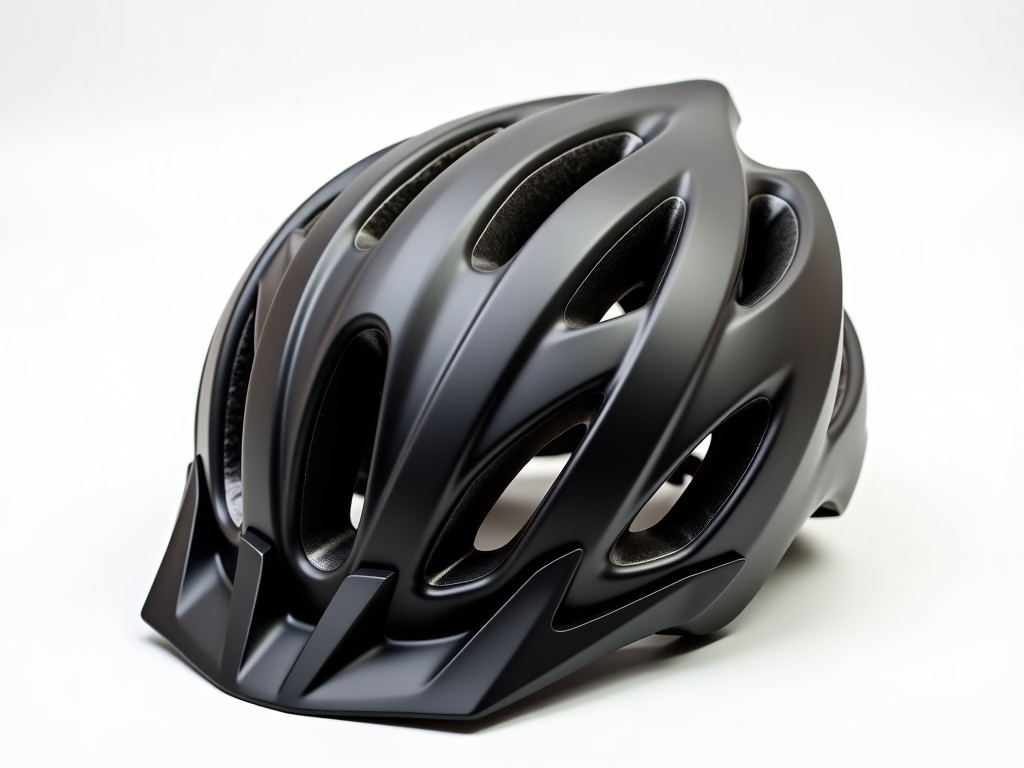
Commercial In Mold Polycarbonate Bicycle Safety Helmet For Sale
Commercial In Mold Polycarbonate Bicycle Safety Helmet For Sale
The helmet combines a thin polycarbonate shell with an EPS impact liner using an in‑mold technique, fusing the two layers during molding so they act as a unified energy‑absorbing unit. This
- Categories:Bicycle Safety Helmet
Commercial In-Mold Polycarbonate Bicycle Safety Helmet
Overview
The helmet combines a thin polycarbonate shell with an EPS impact liner using an in‑mold technique, fusing the two layers during molding so they act as a unified energy‑absorbing unit.
This construction reduces overall weight while maintaining a rigid outer barrier that helps spread impact forces over a larger area.
Materials and Construction
The outer shell is made from injection‑molded polycarbonate grade with a typical tensile strength of 55 MPa and a melt flow index suitable for thin‑wall molding.
The inner liner consists of expanded polystyrene beads with a density range of 18–25 kg/m³, selected to balance impact attenuation and weight.
During the in‑mold cycle, the polycarbonate material flows around the pre‑placed EPS blank, creating a mechanical bond that eliminates the need for adhesives.
Design and Ergonomics
Ventilation channels are molded directly into the shell, providing a total opening area of approximately 12 cm² per helmet to promote airflow without compromising structural integrity.
A adjustable retention system with a dial‑type occipital cradle allows quick fit tuning for head circumferences ranging from 52 cm to 62 cm.
Weight for a medium size shell is approximately 280 g, which helps reduce neck fatigue during prolonged use.
Safety Standards and Testing
The helmet geometry and material selection are intended to satisfy the impact performance requirements of CPSC 1203 and EN 1078 standards for bicycle helmets.
Prototype samples undergo drop‑test validation on a flat anvil at 2 m/s, measuring peak acceleration to verify energy‑absorption thresholds.
Batch testing includes random sampling of finished units for dimensional conformity and impact resistance, with results recorded for traceability.
Applications
Fleet operators of bike‑sharing programs benefit from the helmet’s low weight and simple cleaning surfaces, which support high turnover rates.
Corporate wellness programs that provide bicycles for employee commuting find the one‑piece construction reduces the likelihood of delamination over repeated use.
Rental facilities located in urban environments appreciate the ventilated design, which improves user comfort in warm climates while maintaining a durable outer shell.
Customization Options
- Shell color: solid colors or matte finishes available upon request.
- Ventilation graphics: custom screen‑printed or decal‑applied logos.
- Retention system: choice of dial‑adjustable or quick‑release buckles.
- Branding area: rear‑side pad for reflective or corporate logos.
- Size range: XS‑XL with adjustable fit pads to accommodate specific head measurements.
Quality Control
Each production lot undergoes visual inspection for surface defects, followed by automated measurement of shell thickness at six points.
Impact testing is performed on a statistically significant sample from each batch, with results compared against internal acceptance criteria before release.
Technical Specifications
| Parameter | Typical Value / Customizable |
|---|---|
| Shell Material | Injection‑molded polycarbonate (PC) |
| Impact Liner | Expanded polystyrene (EPS), density 18‑25 kg/m³ |
| Weight (Medium Size) | ≈ 280 g |
| Ventilation Opening | ≈ 12 cm² total area |
| Retention System | Dial‑adjustable occipital cradle (optional quick‑release) |
| Size Range | 52 cm – 62 cm head circumference (adjustable pads) |
| Available Colors | Standard: white, black, matte gray; custom colors on request |
| Compliance (Designed to Meet) | CPSC 1203, EN 1078 |
Frequently Asked Questions
Can the helmet dimensions be adjusted for different head sizes?
Yes, the retention system includes an adjustable dial and interchangeable fit pads that allow fine‑tuning across the 52 cm‑62 cm range.
What information is required before receiving a quotation?
We need the desired order quantity, size distribution, shell color or finish, any logo or graphics files, and preferred delivery timeline.
How is product quality verified before shipment?
Each lot receives dimensional checks, visual inspection, and a sample impact test; a quality report is available upon request.
Contact for Inquiry
To discuss specifications, request a sample, or obtain a formal quote, please reach out via our contact form.
The helmet combines a thin polycarbonate shell with an EPS impact liner using an in‑mold technique, fusing the two layers during molding so they act as a unified energy‑absorbing unit. This
Send Inquiry
If you are interested in our products, leave your information here and we will be in touch shortly.