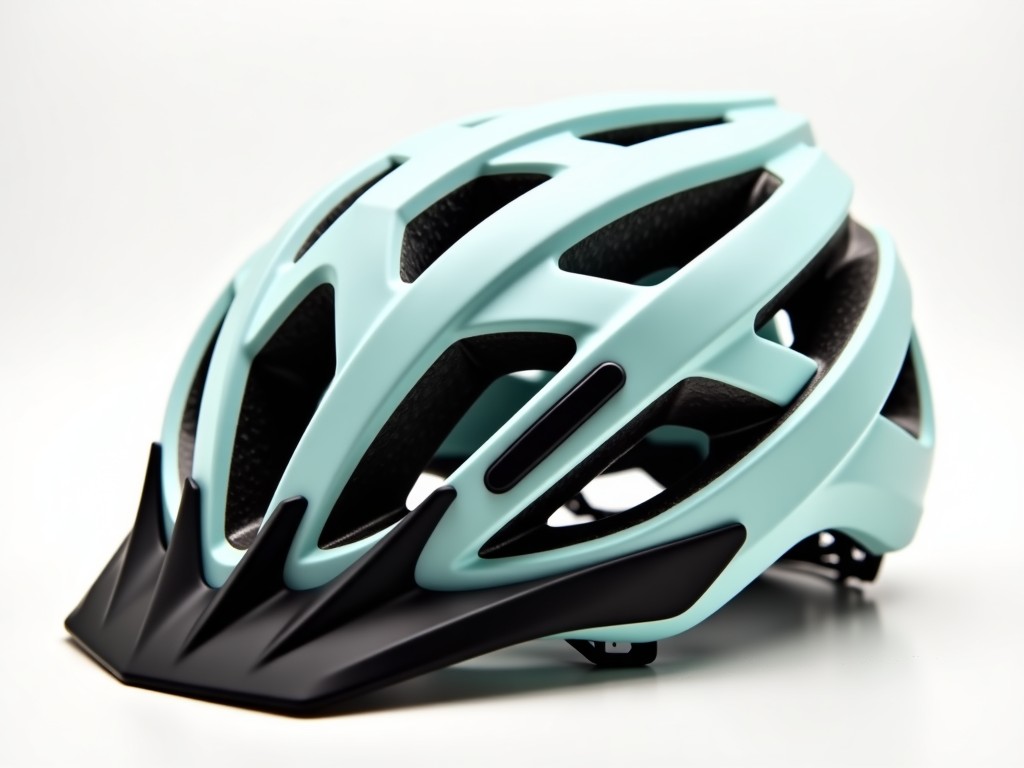
Odm Breathable Eps Bicycle Safety Helmet Exporter
Odm Breathable Eps Bicycle Safety Helmet Exporter
Breathable EPS helmets combine expanded polystyrene foam with engineered ventilation channels to manage impact energy while regulating temperature. Original Design Manufacturing (ODM) allows clients
- Categories:Bicycle Safety Helmet
ODM Breathable EPS Bicycle Safety Helmet Exporter
Breathable EPS helmets combine expanded polystyrene foam with engineered ventilation channels to manage impact energy while regulating temperature.
Original Design Manufacturing (ODM) allows clients to specify geometry, vent patterns, and retention systems without investing in mold development.
Exporting bicycle helmets requires adherence to regional safety standards such as EN 1078, CPSC, or AS/NZS 2063, and the supplier must provide test reports and documentation.
Material Composition and EPS Properties
The helmet liner uses closed‑cell EPS beads with a typical density range of 30–50 kg/m³, selected to balance impact absorption and weight.
Ventilation is achieved by molding micro‑channels and oversized ports that increase airflow by up to 35 % compared with non‑vented designs, reducing heat buildup during prolonged rides.
Impact performance is measured by peak acceleration thresholds; the EPS layer is tuned to keep peak G‑forces below 250 g for a 2 m drop onto a flat anvil, meeting EN 1078 criteria.
| Parameter | Typical Value | Notes |
|---|---|---|
| EPS Density | 30–50 kg/m³ | Adjustable per impact requirements |
| Liner Thickness | 20–30 mm | Varies with head size and coverage zone |
| Vent Ratio (open area/total surface) | 12–18 % | Optimized for aerodynamic drag |
| Weight (size M) | 260–300 g | Includes retention system |
| Size Range | 50–62 cm circumference | Adjustable fit pads available |
Customization Options
- Outer shell material: ABS, polycarbonate, or injected polypropylene
- Vent pattern: number, shape, and orientation of ports
- Retention system: adjustable dial, strap length, and buckle type
- Graphics: full‑color printing, matte or gloss finish, and reflective elements
- Accessories: integrated LED mounts, visor clips, or insect mesh
Applications in Cycling Markets
Urban commuters benefit from lightweight construction and high vent ratios that reduce sweat accumulation during stop‑and‑go traffic.
Road racers prioritize aerodynamic vent shaping and low weight to maintain speed over long distances.
Mountain bike riders require extended rear coverage and enhanced impact tolerance for rough terrain.
Each application drives specific adjustments in EPS density, shell thickness, and retention geometry to optimize safety and comfort.
Quality Control and Testing
Every batch undergoes dimensional inspection using laser scanners to verify headform conformity within ±0.5 mm.
Laboratory impact testing is performed on a calibrated drop tower with multiple impact sites (front, side, rear) to ensure energy absorption meets the target standard.
Retention system strength is measured by applying a 230 N load to the chin strap; slippage must remain under 10 mm.
Visual inspection checks for surface defects, flash, and correct color matching before packaging.
Packaging and Logistics
Helmets are packed in single‑wall corrugated cartons with internal EPS inserts that prevent movement and protect ventilation ports.
Standard export cartons hold 20 units, dimensions 400 × 300 × 250 mm, gross weight approximately 6.5 kg.
Palletization follows ISPM‑15 standards; each pallet carries 480 units and is stretch‑wrapped for stability.
Lead time from approved sample to first shipment averages 35 days, depending on tooling complexity and order volume.
Contact our engineering team to discuss your ODM helmet project.
Breathable EPS helmets combine expanded polystyrene foam with engineered ventilation channels to manage impact energy while regulating temperature. Original Design Manufacturing (ODM) allows clients
Send Inquiry
If you are interested in our products, leave your information here and we will be in touch shortly.