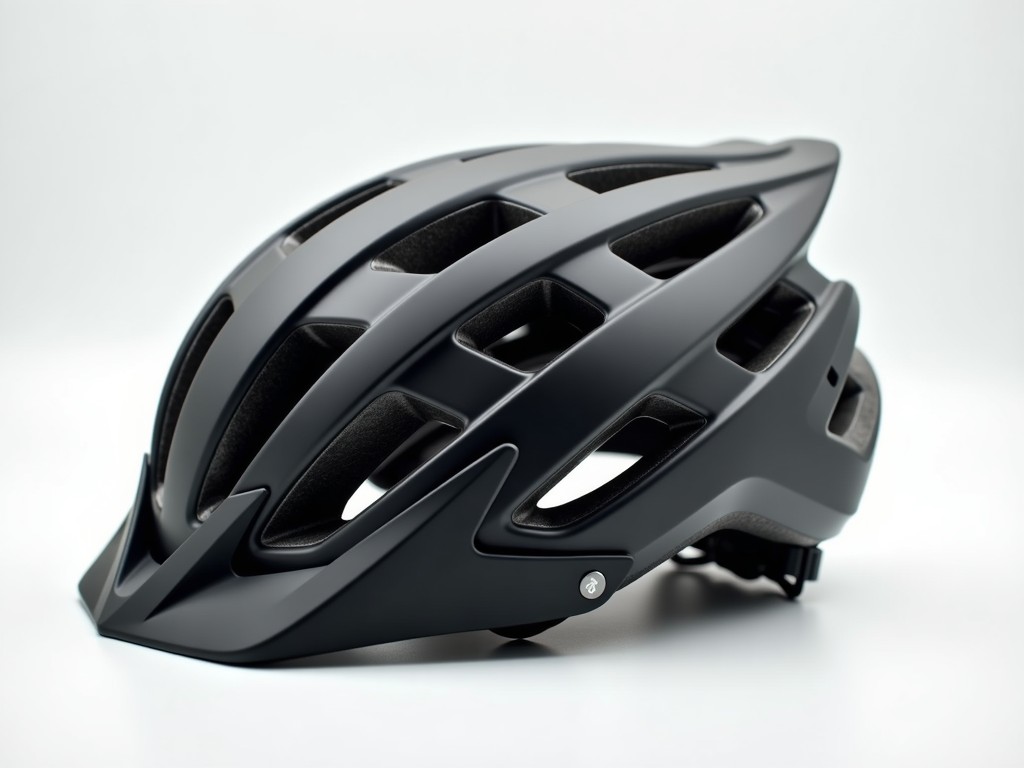
Oem Smart Bluetooth Bicycle Safety Helmet Company
Oem Smart Bluetooth Bicycle Safety Helmet Company
This helmet combines impact‑rated protection with integrated Bluetooth communication, sensor‑based safety alerts, and low‑profile electronics designed for original equipment manufacturers. The
- Categories:Bicycle Safety Helmet
OEM Smart Bluetooth Bicycle Safety Helmet
This helmet combines impact‑rated protection with integrated Bluetooth communication, sensor‑based safety alerts, and low‑profile electronics designed for original equipment manufacturers. The following sections detail the measurable engineering attributes that enable OEMs to specify, qualify, and integrate the helmet into their product lines.
Technical Overview
The helmet shell is manufactured from injection‑molded ABS with a nominal thickness of 2.2 mm, providing a baseline impact resistance that meets CPSC and EN 1078 standards. An expanded polystyrene (EPS) liner is tuned to a density of 45 g/L, delivering a peak deceleration reduction of under 250 g in standardized drop tests. The total mass, including electronics, ranges from 340 g to 380 g depending on size and configuration.
Key Engineering Specifications
| Specification | Typical Value |
|---|---|
| Impact Standard Compliance | CPSC, EN 1078, ASTM F1447 |
| Shell Material | ABS, 2.2 mm nominal thickness |
| Liner Material | EPS, 45 g/L density |
| Weight (Size M) | 350 g ± 20 g |
| Bluetooth Version | 5.0, LE, dual‑mode |
| Battery Capacity | 120 mAh Li‑poly |
| Operating Time | Up to 10 hours continuous audio |
| Charging Time | 1.5 hours via USB‑C (5 V/1 A) |
| Sensor Suite | 3‑axis accelerometer, ambient light sensor, temperature sensor |
| Operating Temperature | ‑10 °C to 45 °C |
| Ventilation | 12 frontal vents, 4 rear exhausts, total opening area 32 cm² |
| Size Range | S (51‑55 cm), M (55‑59 cm), L (59‑63 cm), XL (63‑67 cm) |
Integrated Smart Features
The helmet’s electronics module is sealed in a polymer over‑mold that meets IPX4 water resistance. Bluetooth 5.0 enables simultaneous audio streaming and two‑way intercom with a range of up to 30 m in open conditions. An onboard accelerometer detects sudden deceleration events (> 2 g) and triggers a high‑intensity LED flash (100 cd) and a vibration alert to warn nearby riders. Ambient light sensing automatically adjusts LED brightness to maintain visibility without draining the battery.
Firmware is stored in external flash and can be updated over‑the‑air via a companion mobile app, allowing OEMs to push feature updates or custom alert profiles after deployment. Power management includes a sleep mode that draws less than 5 µA when idle, extending shelf life to beyond 12 months.
Applications and Use Cases
Beyond recreational cycling, the helmet addresses professional fleets where hands‑free communication and incident detection improve operational safety. Delivery services benefit from real‑time voice dispatch, while municipal bike‑share programs can integrate geo‑fenced alerts that notify riders when entering high‑traffic zones. The low profile and vent layout also suit endurance athletes who require sustained airflow without compromising protection.
- Urban logistics and last‑mile delivery
- Municipal bike‑share and public transit integration
- Corporate wellness programs and employee commuting
- Emergency response volunteers needing audible alerts
- Recreational riders seeking connected safety features
Customization Options for OEM Partners
OEMs can tailor mechanical, aesthetic, and functional aspects without altering the core safety architecture. The following items are commonly adjusted per project requirements; exact values are confirmed during tooling review.
- Shell color: custom Pantone matching or two‑tone injection molding
- Graphics: screen‑printed logos, reflective decals, or full‑wrap hydrographics
- Padding thickness: adjustable EPS inserts from 12 mm to 20 mm for varied fit
- Sensor suite: optional GPS module, barometer, or additional EMG sensors
- Firmware: bespoke event thresholds, custom LED patterns, or proprietary API
- Packaging: single‑unit recyclable boxes, bulk trays, or pallet‑ready configurations
Quality Assurance and Testing
Each production lot undergoes a three‑stage verification protocol. First, dimensional inspection confirms shell thickness and vent geometry within ±0.1 mm using coordinate measuring machines. Second, impact testing is performed on a calibrated drop tower at energies specified by CPSC 1203, with peak acceleration recorded via triaxial load cells. Third, electronic validation includes Bluetooth SIG qualification, specific absorption rate (SAR) measurement (< 0.08 W/kg), and ingress protection testing per IEC 60529.
Statistical process control charts track critical parameters such as EPS density and battery capacity, triggering corrective action if any metric exceeds ±2σ from the target mean. Documentation, including material certificates and test reports, is available for audit upon request.
Frequently Asked Questions
- Can dimensions be customized? Yes, the helmet’s internal circumference can be adjusted via interchangeable comfort pads and retention system geometry to accommodate head sizes from 50 cm to 68 cm.
- What information is required before quotation? We need projected annual volume, target certification regions, desired sensor package, and any branding or color specifications.
- What materials are available for the shell? Standard ABS is stock; polycarbonate‑ABS blends and UV‑stabilized grades are offered upon request for enhanced impact or environmental resistance.
- How is quality inspected? Each lot receives dimensional, impact, and electronic validation as described above, with batch‑level reports provided.
- What packaging methods are available? Options include individual recyclable cardboard boxes, reusable EVA trays for bulk shipment, and custom‑printed master cartons.
- How are export shipments protected? Helmets are packed with corner protectors and moisture‑barrier liners; pallets are stretch‑wrapped and strapped to meet ISPM‑15 standards.
- What is the typical production lead time? Tooling preparation requires 6‑8 weeks; subsequent production runs average 15‑20 working days after approval of pre‑production samples.
- How are samples arranged? We can dispatch up to three functional samples via express freight, with the customer covering shipping charges or arranging their own carrier.
Contact for OEM Inquiry
To discuss technical requirements, request a detailed specification sheet, or initiate a sample evaluation, please reach out to our engineering team.
This helmet combines impact‑rated protection with integrated Bluetooth communication, sensor‑based safety alerts, and low‑profile electronics designed for original equipment manufacturers. The
Send Inquiry
If you are interested in our products, leave your information here and we will be in touch shortly.