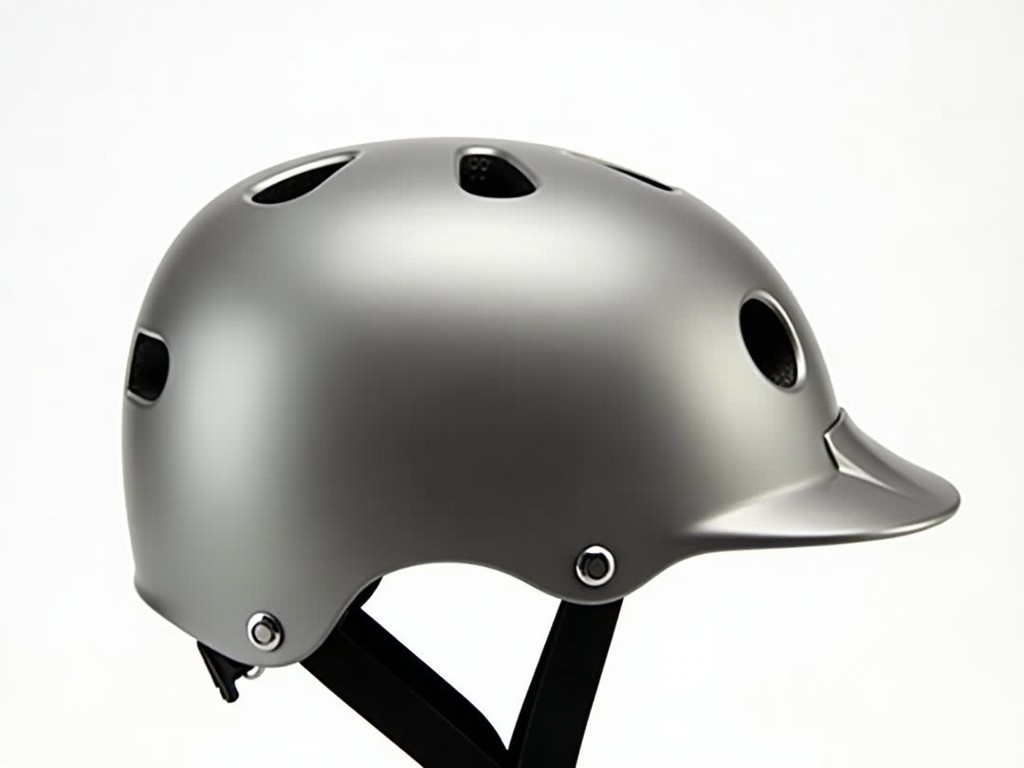
Wholesale Cpsc Certified Toddler Bicycle Safety Helmet Price
Wholesale Cpsc Certified Toddler Bicycle Safety Helmet Price
CPSC certification confirms that the helmet meets the U.S. Consumer Product Safety Commission standard for impact attenuation in children's bicycle helmets. This standard specifies a maximum peak
- Categories:Bicycle Safety Helmet
Wholesale CPSC Certified Toddler Bicycle Safety Helmet – Price & Specifications
CPSC certification confirms that the helmet meets the U.S. Consumer Product Safety Commission standard for impact attenuation in children's bicycle helmets. This standard specifies a maximum peak acceleration of 300 g during a controlled drop test, ensuring that the energy transferred to a toddler’s head stays below injury thresholds.
Key Technical Specifications
| Parameter | Typical Value | Notes |
|---|---|---|
| Shell material | ABS copolymer | Impact‑resistant, UV‑stabilized |
| Liner material | Expanded polystyrene (EPS) | Density 20‑25 kg/m³, thickness 18 mm |
| Retention system | Adjustable nylon strap with side‑release buckle | Length range 35‑45 cm |
| Ventilation openings | 12 ports, each 8 mm diameter | Total vent area ≈ 6 cm² |
| Weight (size S) | 210 g | Measured with strap and buckle |
| Size range (head circumference) | 46‑52 cm | Adjustable fit pads included |
Impact Performance & Testing
Each helmet is subjected to a CPSC‑mandated drop test onto a flat steel anvil from a height of 1.8 m. The instrumented headform records peak acceleration; acceptance criterion is ≤ 300 g. In addition, a static load test evaluates strap strength, requiring a minimum tensile load of 225 N before failure.
Batch testing is performed on every production lot; a random sample of 5 units undergoes the full impact protocol. Results are logged and available to wholesale buyers upon request.
Construction Details
- Outer shell formed by injection molding, wall thickness 2.2 mm ±0.1 mm.
- EPS liner molded in two halves, bonded with a thin polymer film to prevent delamination.
- Vent ports reinforced with nylon inserts to maintain structural integrity.
- Retention strap woven from 1000 D polyester, treated for abrasion resistance.
- Reflective tape (3 mm width) applied symmetrically for low‑visibility conditions.
Wholesale Pricing Tiers
| Order Quantity | Unit Price (USD) | Estimated Lead Time |
|---|---|---|
| 100‑499 pcs | $7.80 | 2‑3 weeks |
| 500‑1999 pcs | $6.90 | 3‑4 weeks |
| ≥2000 pcs | $6.20 | 4‑5 weeks |
Applications
Toddlers riding balance bikes or small‑wheel bicycles frequently experience low‑speed falls where the impact energy is concentrated on the frontal region. A helmet that limits peak acceleration to ≤ 300 g reduces the risk of skull fracture and mild traumatic brain injury. Consequently, these helmets are specified by:
- Day‑care centers that provide bike‑riding activities.
- Municipal recreation departments for community bike‑share programs.
- Rental fleets at parks and tourist attractions.
- OEMs assembling children’s tricycles and scooters.
Quality Control Philosophy
Our approach combines incoming material verification, in‑process dimensional checks, and final product testing. Incoming ABS pellets are screened for melt flow index (MFI) between 7‑10 g/10 min; EPS beads are evaluated for closed‑cell content > 95 %. During molding, cavity pressure and temperature are logged to ensure consistent wall thickness. Final inspection includes a visual check for flash, strap buckle functionality, and a random impact test as described above.
Non‑conforming units are segregated and re‑worked or scrapped, maintaining a documented defect rate below 0.2 % per lot.
Frequently Asked Questions
Q: Can the helmet size be customized for larger toddlers?
A: The standard size range accommodates head circumferences of 46‑52 cm. Custom liner thickness or alternative retention systems are available upon request for sizes up to 55 cm.
Q: What information is required to receive a wholesale quotation?
A: Please provide order quantity, desired delivery date, any branding or logo placement requirements, and preferred packaging (bulk cartons or individual boxes).
Q: How are shipments protected against damage?
A: Helmets are packed in corrugated cartons with inner polyethylene foam dividers; each carton is sealed with pressure‑sensitive tape and marked with handling instructions.
CPSC certification confirms that the helmet meets the U.S. Consumer Product Safety Commission standard for impact attenuation in children's bicycle helmets. This standard specifies a maximum peak
Send Inquiry
If you are interested in our products, leave your information here and we will be in touch shortly.