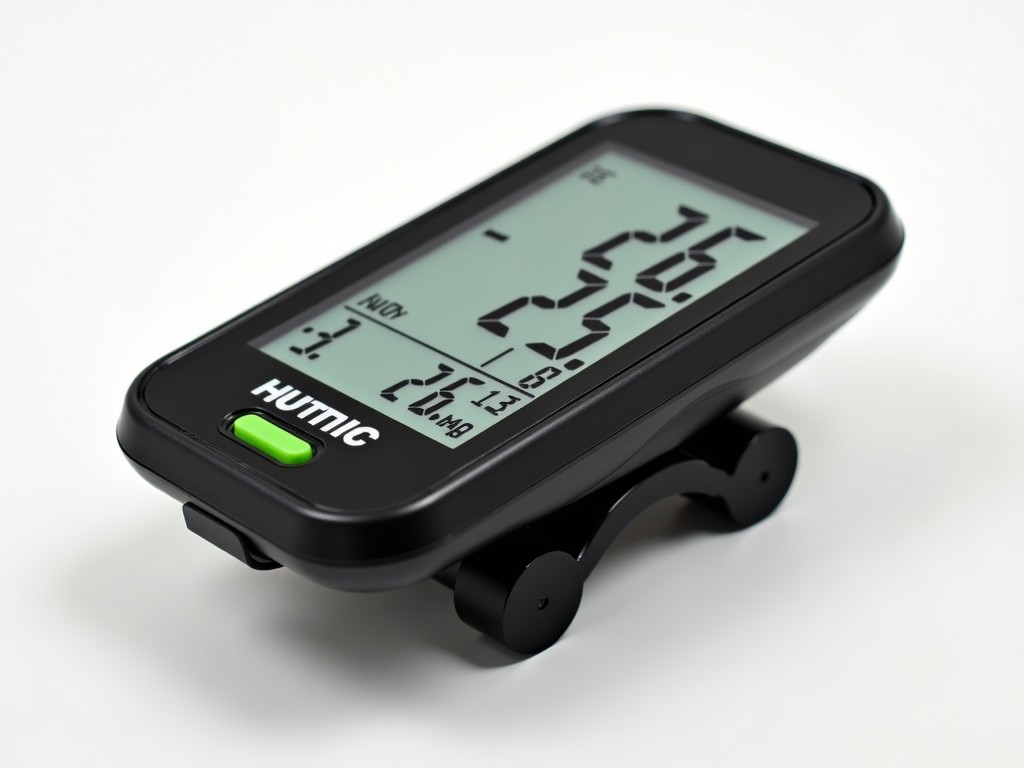
Bulk Gps Smart Bicycle Speedometer Supplier
Bulk Gps Smart Bicycle Speedometer Supplier
This section outlines the core capabilities of a manufacturer that supplies GPS‑enabled smart bicycle speedometers in volume quantities, focusing on the technical attributes that influence
- Categories:Bicycle Speedometer
Bulk GPS Smart Bicycle Speedometer Supplier Overview
This section outlines the core capabilities of a manufacturer that supplies GPS‑enabled smart bicycle speedometers in volume quantities, focusing on the technical attributes that influence procurement decisions for OEMs, distributors, and fleet operators.
Key Technical Parameters
The following table lists typical specifications for the GPS smart bicycle speedometer when produced for bulk orders. Values represent common configurations; actual numbers can be adjusted according to project requirements.
| Parameter | Typical Value / Range |
|---|---|
| GPS Receiver Type | U‑blox MAX‑7Q or equivalent, 18‑channel, ‑160 dBm sensitivity |
| Update Rate | 1 Hz (configurable to 5 Hz) |
| Speed Measurement Range | 0 – 120 km/h, ±0.5 km/h accuracy |
| Display | 128 × 64 px OLED, contrast ratio > 10 000:1, viewable −20 °C to +60 °C |
| Battery | Li‑pol 300 mAh, continuous operation ≈ 25 h at 1 Hz GPS |
| Ingress Protection | IP67 (dust tight, immersion to 1 m for 30 min) |
| Operating Temperature | −20 °C to +55 °C |
| Wireless Interface | Bluetooth 5.0, optional ANT+ |
| Housing Material | UV‑stabilized polycarbonate, tensile strength ≈ 60 MPa |
Construction and Materials
The speedometer housing is injection‑molded from polycarbonate blended with UV absorbers, providing impact resistance above 2 J and maintaining optical clarity after 1000 h of xenon‑arc exposure. Internal PCB uses FR‑4 with a copper thickness of 35 µm, enabling reliable signal routing for the GPS antenna and Bluetooth module.
A silicone gasket with a Shore A hardness of 45 seals the enclosure, contributing to the IP67 rating. The antenna is a ceramic patch type, tuned to 1575.42 MHz, mounted on the inner top surface to minimize shadowing by the rider’s body.
Mounting brackets are formed from 304 stainless steel, offering corrosion resistance in saline environments and a clamping force adjustable from 5 N to 15 N via a set‑screw mechanism.
Functional Characteristics
Beyond basic speed indication, the unit processes raw NMEA sentences to compute instantaneous speed, average speed over selectable intervals, and distance traveled. The OLED interface can display up to three data fields simultaneously, with user‑configurable screens accessed via a single tactile button.
Bluetooth connectivity enables data export to companion apps or bike‑computer systems using the Bluetooth Low Energy (BLE) GATT profile. Data packets include timestamp, latitude, longitude, speed, and altitude, transmitted at 1 Hz unless a higher rate is negotiated.
Power management includes a low‑power sleep mode activated after 5 minutes of no motion, reducing current draw to < 10 µA, and a wake‑on‑motion feature that restores full operation within 200 ms of detecting movement above 0.5 km/h.
Typical Applications
The device is suited for environments where reliable speed and position data are required without dependence on external sensors.
- Fleet‑managed e‑bike sharing programs needing tamper‑proof odometer logs for billing and maintenance scheduling.
- Cycling event timing systems where GPS‑based speed verification supplements loop‑detector data.
- Adventure touring bicycles requiring autonomous navigation aids that function without cellular coverage.
- Research platforms collecting high‑resolution speed profiles for aerodynamic testing.
Quality Assurance and Testing
Each production lot undergoes functional verification, environmental stress screening, and endurance testing to confirm conformance with the specifications listed above.
- GPS sensitivity verified using a RF signal generator; minimum acquisition time < 30 s at −148 dBm.
- Temperature cycling: −20 °C to +55 °C, 10 cycles, functional check after each cycle.
- Vibration test: sinusoidal sweep 10 Hz‑2 kHz, 2 g peak, 2 h per axis, per IEC 60068‑2‑6.
- Ingress protection validated by immersion and dust chamber tests per IEC 60529.
- Battery endurance measured at 1 Hz GPS logging until voltage drops to 3.0 V, recorded cycles > 500.
Final visual inspection checks for cosmetic defects, label legibility, and proper torque on mounting hardware.
Customization Options
Volume buyers can request adjustments to hardware and firmware to align the speedometer with specific system architectures or branding requirements.
- Alternative display technologies: transflective LCD for direct sunlight readability.
- Modified housing dimensions or mounting patterns to integrate with proprietary bike frames.
- Firmware tweaks: custom data fields, altered update rates, proprietary BLE services.
- Battery capacity upgrades up to 800 mAh for extended operation.
- Connector options: JST‑PH, Molex Pico‑Lock, or direct solder pads.
- Branding: laser‑etched logos, custom color‑matched housings (Pantone‑specified).
Packaging and Logistics
Products are packed to prevent mechanical damage and electrostatic discharge during transit.
- Primary packaging: anti‑static bubble wrap and a molded pulp tray that holds 10 units per layer.
- Secondary packaging: double‑wall corrugated carton, dimensions 380 mm × 300 mm × 200 mm, burst strength ≥ 275 kPa.
- Tertiary packaging: palletized loads (ISO 1 pallets) with stretch film and corner protectors for containerized shipment.
- Each carton includes a packing list, CE conformity declaration, and a QR code linking to the product’s data sheet.
Lead times for standard configurations are typically 4‑6 weeks after receipt of purchase order, subject to component availability.
Frequently Asked Questions
Can the GPS antenna be relocated for alternative mounting positions?
Yes. The antenna pad on the PCB can be accessed via a flexible PCB extension, allowing placement up to 15 mm from the main board while maintaining < 1 dB gain loss.
What information is required to obtain a quotation for a custom order?
Required details include: desired quantity, target operating temperature range, any display or housing modifications, preferred wireless protocol (Bluetooth, ANT+, or both), and packaging preferences.
Which materials are available for the housing?
Standard is UV‑stabilized polycarbonate. Alternatives include ABS‑PC blend for lower cost, or glass‑filled nylon for increased rigidity, subject to tooling availability.
How is product quality inspected before shipment?
Each unit undergoes functional testing, visual inspection, and a sample‑based environmental stress test as outlined in the Quality Assurance section. Statistical process control is applied to critical dimensions and electrical parameters.
What packaging methods protect against moisture during sea freight?
Cartons are lined with a polyethylene moisture barrier and include desiccant packets (silica gel, 5 g per carton) to maintain relative humidity below 50 % inside the package.
What is the typical production lead time for a standard order?
Four to six weeks after order confirmation, assuming standard component lead times. Custom tooling or firmware development may extend this period.
Contact for Inquiry
For technical details, customization requests, or to request a formal quotation, please reach out using the contact form below.
Submit InquiryThis section outlines the core capabilities of a manufacturer that supplies GPS‑enabled smart bicycle speedometers in volume quantities, focusing on the technical attributes that influence
Send Inquiry
If you are interested in our products, leave your information here and we will be in touch shortly.