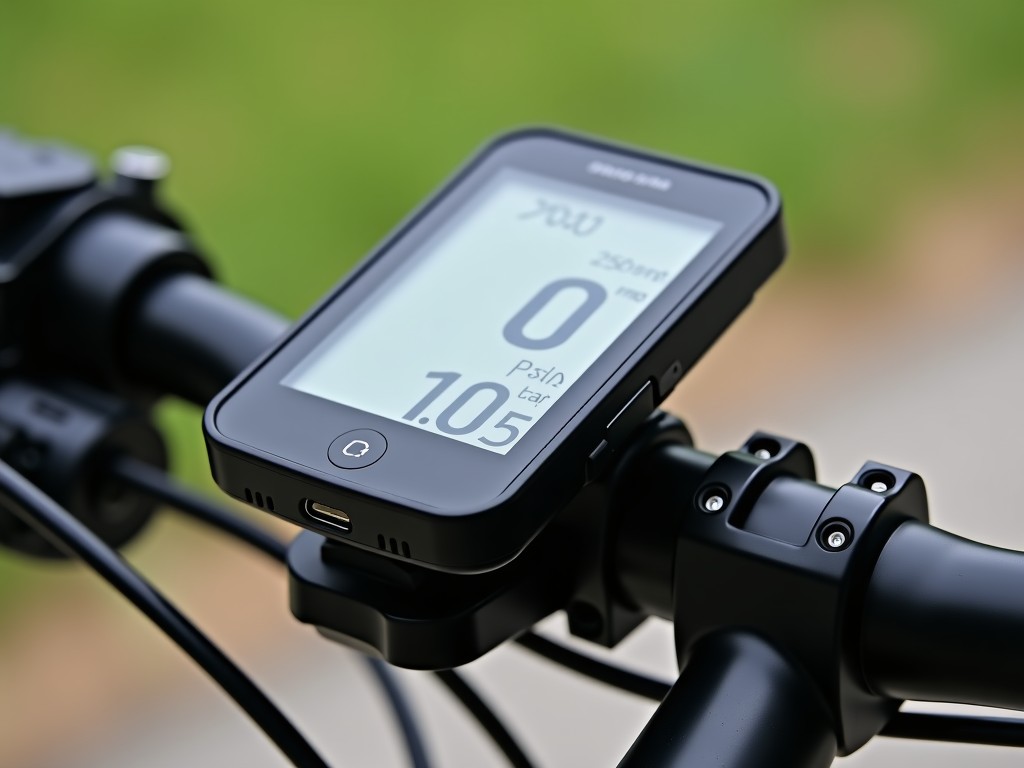
Private Label Ant Bluetooth Bicycle Speedometer
Private Label Ant Bluetooth Bicycle Speedometer
This sensor measures wheel revolutions per minute using a passive magnet and hall‑effect switch, then transmits speed data simultaneously over ANT+ and Bluetooth Low Energy protocols. The dual‑mode
- Categories:Bicycle Speedometer
Private Label ANT+ Bluetooth Bicycle Speedometer
This sensor measures wheel revolutions per minute using a passive magnet and hall‑effect switch, then transmits speed data simultaneously over ANT+ and Bluetooth Low Energy protocols. The dual‑mode output allows compatibility with legacy bike computers as well as modern smartphones and fitness platforms.
Power draw averages 0.8 mA during transmission bursts and drops to <0.2 mA in sleep mode, enabling operation for over 12 months on a standard CR2032 coin cell. The firmware includes automatic channel hopping to mitigate interference in dense RF environments.
The housing is molded from UV‑stabilized polycarbonate with a dimensions of 32 mm × 22 mm × 12 mm and integrates a stainless‑steel mounting bracket for secure attachment to spokes or fork legs. It meets IPX7 water‑resistance, functions from –20 °C to +60 °C, and features a 128 × 64 pixel LCD that updates at 2 Hz for clear readability under direct sunlight.
Key Specifications
| Parameter | Typical Value / Range |
|---|---|
| Measurement Range | 0–199 km/h (0–124 mph) |
| Update Rate | 2 Hz (configurable 1–5 Hz) |
| ANT+ Frequency | 2.4 GHz ISM band (8 channels) |
| BLE Frequency | 2.4 GHz ISM band (ADV + connection) |
| Battery Type | CR2032 (3 V, 225 mAh) |
| Operating Temperature | –20 °C to +60 °C |
| Ingress Protection | IPX7 |
| Housing Material | UV‑stabilized polycarbonate |
Applications in Cycling OEM and Fleet Markets
Original equipment manufacturers integrate this sensor into entry‑level and mid‑range bicycles to provide riders with reliable speed feedback without the cost of a dedicated head‑unit. Bike‑sharing operators benefit from the long battery life and rugged sealing, reducing maintenance visits across large fleets. The dual‑protocol output also enables seamless data feeding to smartphone‑based navigation apps, supporting value‑added services such as route analytics and safety alerts.
- OEM bicycle assembly lines
- Commercial bike‑sharing and rental fleets
- Aftermarket upgrade kits for cyclists
- Smart‑city mobility platforms requiring wireless speed telemetry
Private Label Customization Options
Customers can tailor the product’s appearance and functionality to match brand identity while retaining the certified RF performance. Adjustments include housing color, surface texture, logo placement, and firmware parameters such as transmission interval and power‑save thresholds. Packaging formats, label artwork, and accessory bundles (e.g., magnet kits, spacers) are also configurable to suit specific distribution channels.
- Housing color (Pantone matched)
- Laser‑etched or silk‑screened logo
- Customizable transmission rate and sleep timeout
- Alternative battery holders (CR2032, rechargeable Li‑ion)
- Retail‑ready blister packs or bulk trays
Quality Assurance and Testing Philosophy
Each unit undergoes automated RF verification to confirm ANT+ and BLE adherence to the respective alliance specifications, including packet error rate under multipath conditions. Environmental testing encompasses 500 hour temperature cycling, IPX7 immersion validation, and UV exposure to ensure housing stability. Mechanical shock and vibration profiles replicate real‑world riding impacts, with pass/fail criteria based on functional continuity and sensor drift limits.
Frequently Asked Questions
Can the sensor’s physical dimensions be altered? Minor adjustments to the mounting bracket thickness are possible; the core electronics footprint remains fixed to maintain RF performance.
What information is required to obtain a quotation? Provide expected annual volume, desired housing color/logo details, any firmware parameter changes, and preferred packaging type.
How are pre‑production samples handled? Samples are built to the exact specification, undergo the same QC flow, and are shipped with a test report covering RF output, battery drain, and ingress protection.
What is the typical lead time for mass production? Lead times range from 6 to 9 weeks after final artwork approval, depending on volume and customization complexity.
Contact for Private Label Inquiry
To discuss technical feasibility, sample availability, or pricing for a custom‑branded ANT+ Bluetooth speedometer, please reach out using the link below.
Request a QuoteThis sensor measures wheel revolutions per minute using a passive magnet and hall‑effect switch, then transmits speed data simultaneously over ANT+ and Bluetooth Low Energy protocols. The dual‑mode
Send Inquiry
If you are interested in our products, leave your information here and we will be in touch shortly.