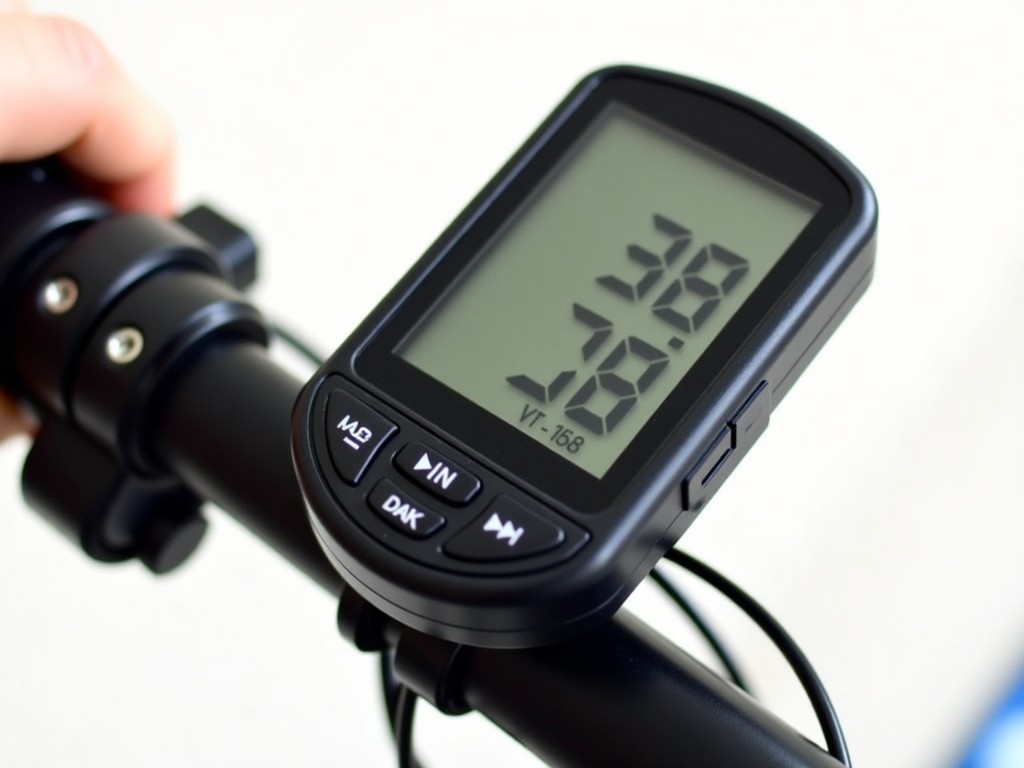
Wholesale Wireless Waterproof Bicycle Speedometer
Wholesale Wireless Waterproof Bicycle Speedometer
This device measures wheel revolutions per minute and converts them to speed readings using a magnetic sensor attached to the fork and a magnet on the spoke. Wireless transmission eliminates the need
- Categories:Bicycle Speedometer
Wholesale Wireless Waterproof Bicycle Speedometer
This device measures wheel revolutions per minute and converts them to speed readings using a magnetic sensor attached to the fork and a magnet on the spoke.
Wireless transmission eliminates the need for cables between sensor and display, reducing installation complexity and potential failure points.
Key Technical Specifications
| Parameter | Typical Value | Notes |
|---|---|---|
| Wireless Frequency | 2.4 GHz ISM band | Compatible with Bluetooth Low Energy 5.0 |
| Transmission Range | Up to 30 m line‑of‑sight | Reduces to ~10 m inside metal frames |
| Waterproof Rating | IP67 (dust‑tight, immersion 1 m for 30 min) | Tested per IEC 60529 |
| Operating Temperature | -20 °C to +60 °C | Covers typical cycling environments |
| Battery Life | 200 hours continuous (coin cell CR2032) | Auto‑sleep after 5 min of inactivity |
| Display Resolution | 0.1 km/h increments, 3‑digit LCD | Backlit for low‑light conditions |
Wireless Communication Technology
The speedometer uses a proprietary 2.4 GHz protocol that pairs the sensor unit with the display via a unique ID, preventing cross‑talk with nearby devices.
Data packets are transmitted at 10 Hz, providing near‑real‑time speed updates while keeping average current draw below 15 µA.
Waterproof and Durability Design
Both sensor and display housings are molded from UV‑stabilized polycarbonate with a silicone gasket achieving IP67 sealing.
The sensor’s magnet holder is made of stainless steel to resist corrosion from sweat and road salts.
Impact testing shows the unit survives drops from 1.5 m onto concrete without functional degradation.
Display and User Interface
The LCD presents speed, trip distance, total odometer, and elapsed time, selectable via a single‑press button.
A built‑in ambient light sensor adjusts backlight intensity, extending battery life in daylight conditions.
Calibration is performed by entering wheel circumference (mm) through a three‑step sequence, accommodating tire sizes from 200 mm to 2300 mm.
Power Management
The device draws power from a user‑replaceable CR2032 lithium coin cell, housed in a tool‑free compartment.
Sleep mode activates after five minutes of no motion, reducing current to <2 µA and extending shelf life to over three years.
Low‑voltage warning appears on the display when capacity falls below 10 %, prompting timely replacement.
Applications in Cycling Industry
- OEM integration into city‑commuter bicycles where wireless reduces assembly time.
- Aftermarket kits for mountain bikes requiring shock‑resistant, water‑sealed instrumentation.
- Fleet management systems for rental services needing low‑maintenance telemetry.
- Training aids for velodrome teams where precise speed feedback is critical.
These use cases benefit from the elimination of cable wear, simplified wiring harnesses, and the ability to seal electronics against moisture ingress.
Customization Options
Customers may request alternative housing colors, custom firmware presets (e.g., km/h vs mph default), or private labeling of the LCD bezel.
Sensor mounting brackets can be adapted for different fork diameters (28 mm to 34 mm) or for rear‑wheel installation on e‑bikes.
Minimum order quantity for custom tooling is 500 units; sample units are available upon request after NEX (non‑disclosure) agreement.
Quality Control and Testing
Each unit undergoes functional test of wireless link, speed accuracy (±0.5 % of reference), and waterproof ingress verification.
Statistical process control monitors key dimensions of the sensor housing (critical tolerance ±0.05 mm) to ensure consistent fit.
Finished goods receive a 12‑month limited warranty covering defects in materials and workmanship under normal use.
Ordering and Lead Time
Standard catalog items ship from the factory within 2‑3 weeks after receipt of purchase order, assuming available raw materials.
For customized versions, lead time extends to 5‑6 weeks, including tooling validation and pilot run approval.
This device measures wheel revolutions per minute and converts them to speed readings using a magnetic sensor attached to the fork and a magnet on the spoke. Wireless transmission eliminates the need
Send Inquiry
If you are interested in our products, leave your information here and we will be in touch shortly.